NYLON IS NOT PFAS
Nylon is a synthetic fibre. PFAS are a broad family of fluorinated chemicals that may be used in some finishes. One does not prove the other.
James Bondage Health · Research 01
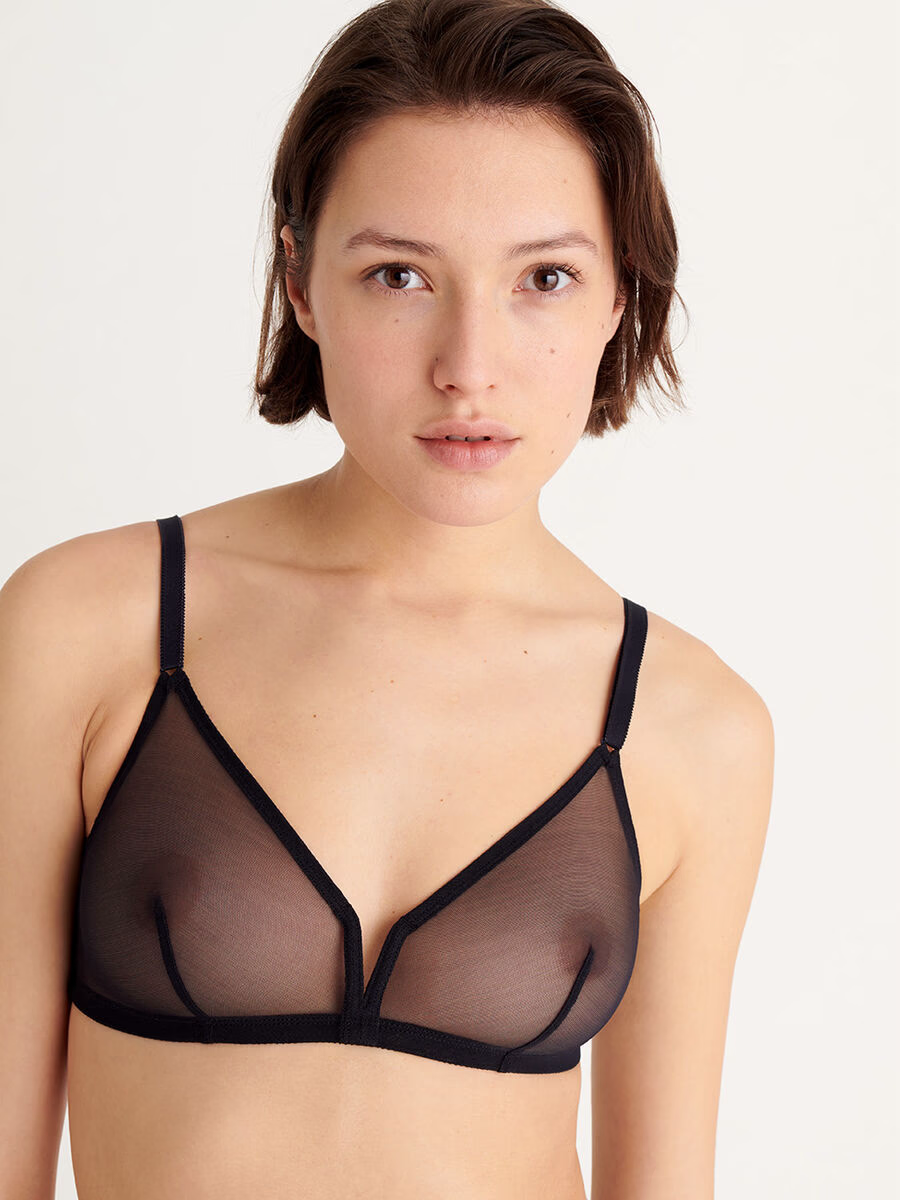
What we choose to wear can change how we feel in our bodies.
Human research suggests that personally expressive clothing, satisfying garment fit and comfortable athletic apparel can influence state self-esteem, body appreciation, body confidence and positive affect. Controlled fabric studies also demonstrate that softness, pressure and textile quality produce measurable differences in subjective experience and brain response.
Self-selected clothing can support how we feel in our bodies.

The proposition
Expression.
Fit.
Touch.
Agency.
Our testable hypothesis
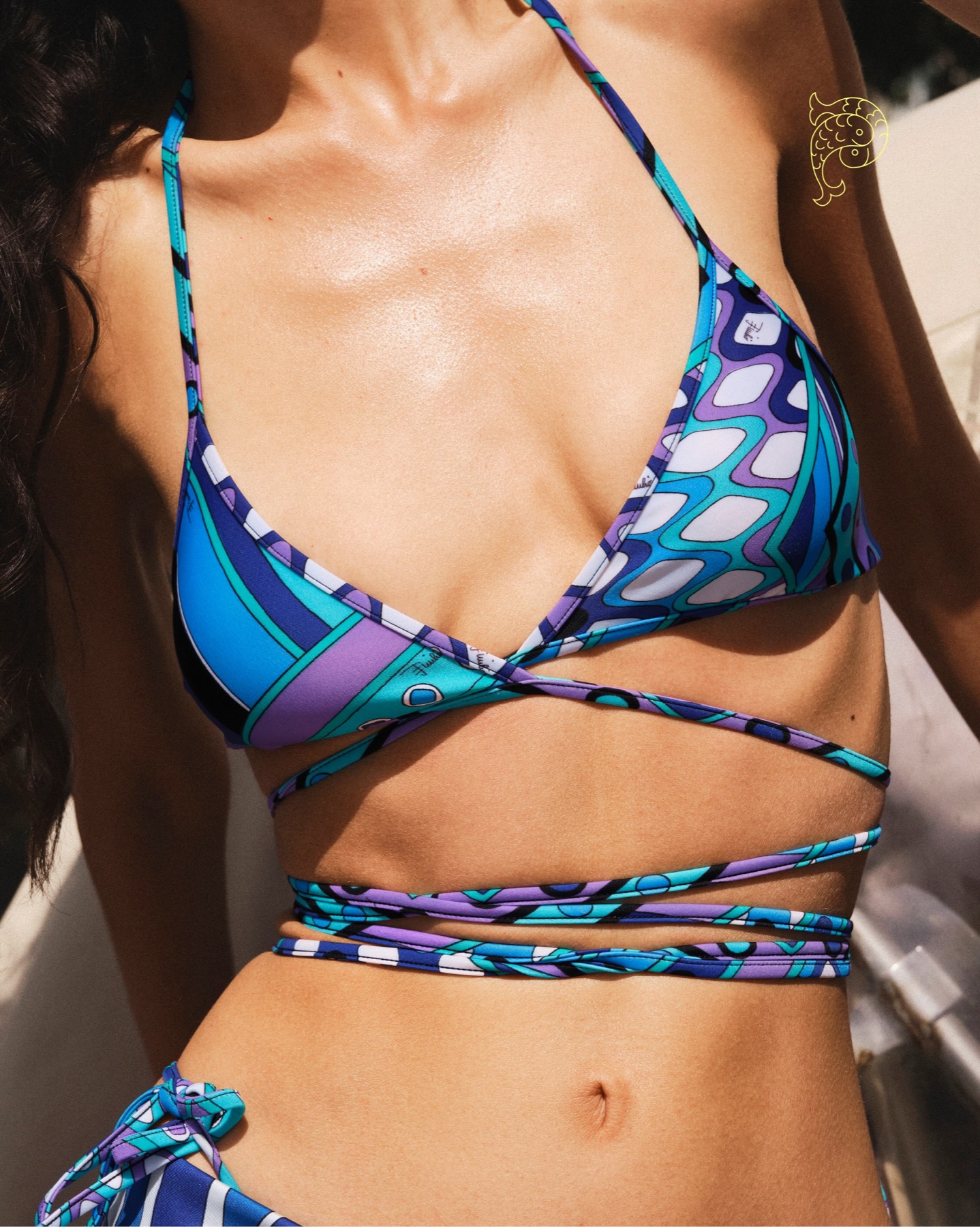
Editorially, we can call the experience empowerment. Scientifically, we measure it through perceived agency, state self-esteem, body appreciation, comfort and positive affect.
“In consenting adults, wearing a self-selected, well-fitting James Bondage [ health ] intimate garment designed for tactile comfort, adjustability and personally meaningful self-expression will produce short-term improvements in state body appreciation, perceived agency, comfort and positive affect, compared with a materially and fit-matched neutral garment.”
This hypothesis brings together established research on self-selection, body appreciation, agency, tactile comfort, fit and affect. The complete James Bondage [ health ] proposition is intended for future testing.
Proposed research for publication with Vogue.
proposed partnership - not yet confirmed
The papers are ordered across three evidence strands. Each supports part of the hypothesis; none tests the complete James Bondage [ health ] proposition.
Fabric / touch / response
How fabric moves, stretches, presses and feels against skin is part of the experience. Textile neuroscience gives us ways to study tactile pleasantness. Fashion psychology gives us ways to study meaning, identity and body appreciation.
The film is visual context—not scientific evidence. The evidence lives in the papers above.
Material Intelligence
We do not guess what is in a garment. We translate what is declared, verify the standards behind it, explain the material in context and show where the evidence comes from.
Nylon is a synthetic fibre. PFAS are a broad family of fluorinated chemicals that may be used in some finishes. One does not prove the other.
PFAS persistence and synthetic microfibre shedding are separate questions. A garment can raise one, both or neither.
Cotton and wool can offer comfort and renewable-fibre benefits, while dyes, finishes, sourcing and processing still matter.
Water-, oil-, stain- and leak-resistant claims are stronger signals to investigate than the word “synthetic” alone.
Brand chemical policies, GOTS, OEKO-TEX, bluesign and supplier controls are meaningful evidence when their scope is clear.
Independent laboratory testing can add confidence. It is not a reasonable prerequisite for describing every responsible brand.
PFAS deserve particular care because of their environmental persistence and evidence linking exposure to health effects. Synthetic microfibre shedding is a different, still-evolving exposure question. We keep them separate so concern does not become misinformation.
Method sources: US EPA · WHO · GOTS · bluesign · OEKO-TEX · FiberCheck method reference
5 category-leading material selection, chemical management or certification.
4 strong materials and meaningful evidence.
3 curated standard with less public documentation.
5 leading traceability, verified standards and current disclosure.
4 strong practices and credible oversight.
3 credible craftsmanship or manufacturing evidence with less public detail.
Reported separately from the stars. “No PFAS-type finish indicated” means no water-, oil- or stain-repellent PFAS treatment is advertised or identified. It is not a laboratory-tested PFAS-free claim.
Declared comes from a brand or product page. Verified standard names an applicable certification or published control. Inferred characteristic describes what the product type suggests without inventing a chemical claim.
Tulle describes an open-net fabric structure, not one fibre or treatment. It may use nylon, polyester, silk or other fibres. Synthetic tulle does not itself indicate PFAS.
Neoprene is synthetic rubber, not PFAS. Recycled synthetics can reduce virgin-fibre demand but remain synthetic and may shed microfibres. We describe each issue on its own terms.
The James Bondage edit
Every label here was selected for design quality, material consideration, craftsmanship or responsible manufacturing leadership. Stars distinguish strong from exceptional practice within this curated collection—they are not pass/fail safety grades.
| brand | material intelligence | responsible making | PFAS + finish position | expand evidence |
|---|
Current assessment scope: 27 fashion labels. Champagne Bohemia, Inner Planes and Accessories | Health are Shop edits or umbrellas outside this rating table until dedicated material and manufacturing assessments are complete.
Evidence version
reviewed .
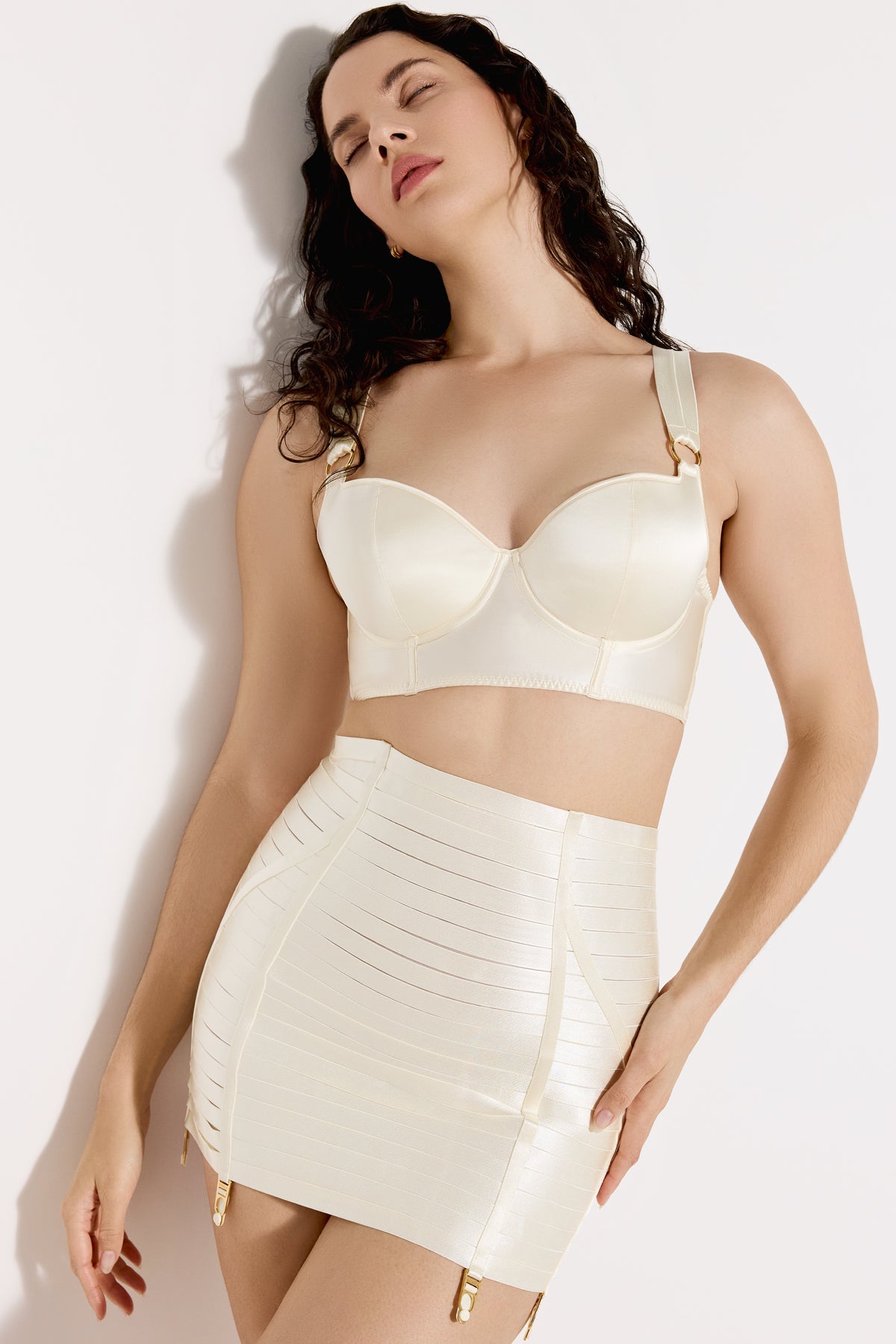
Evidence can be rigorous
and still feel alive.